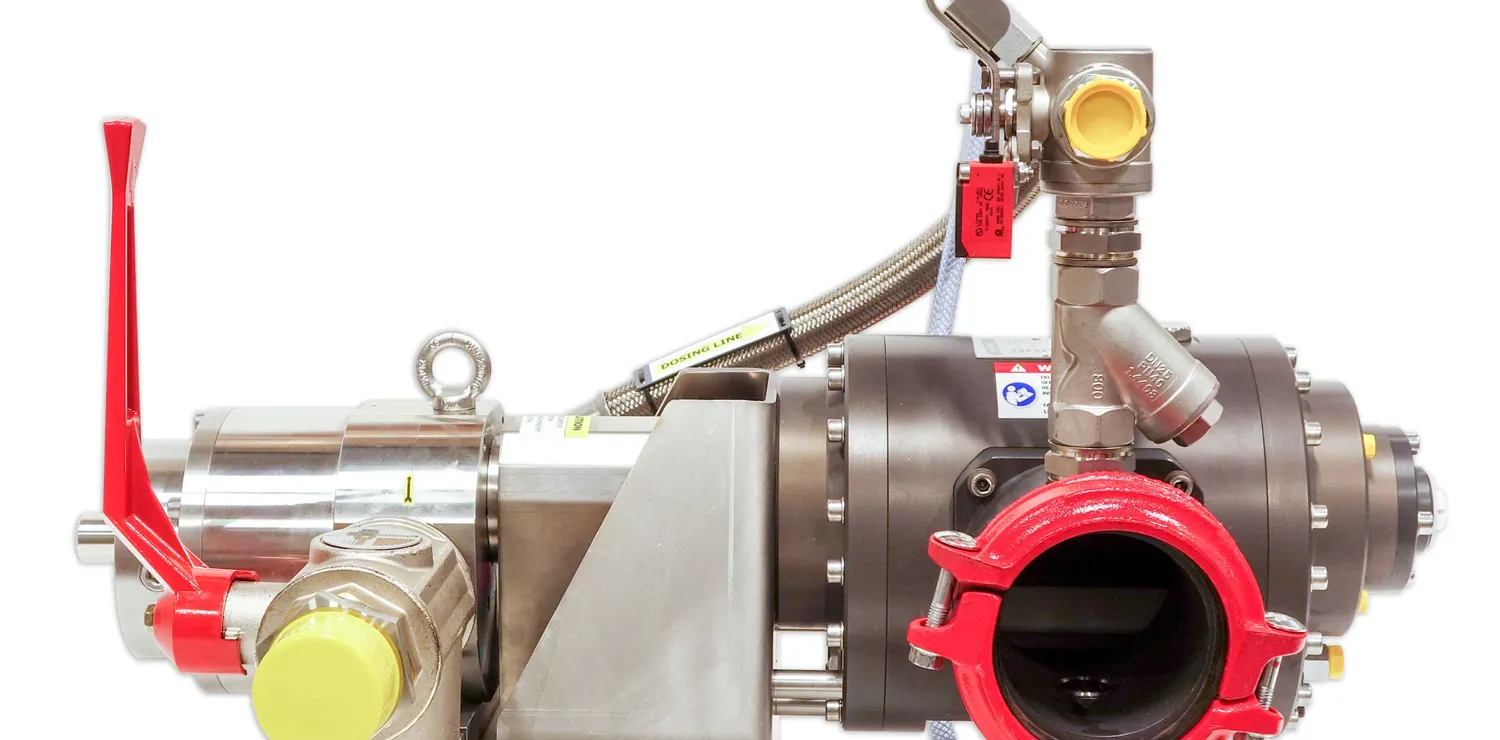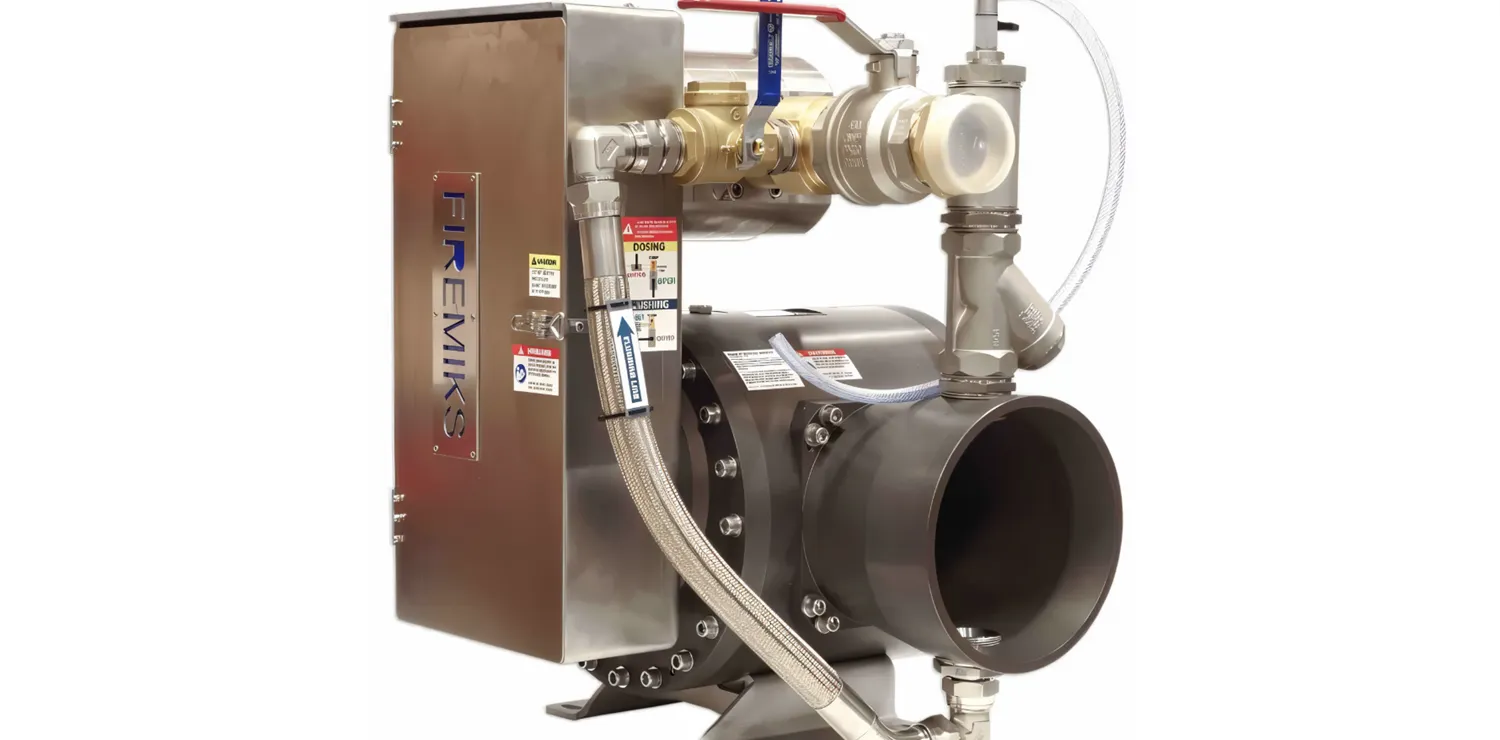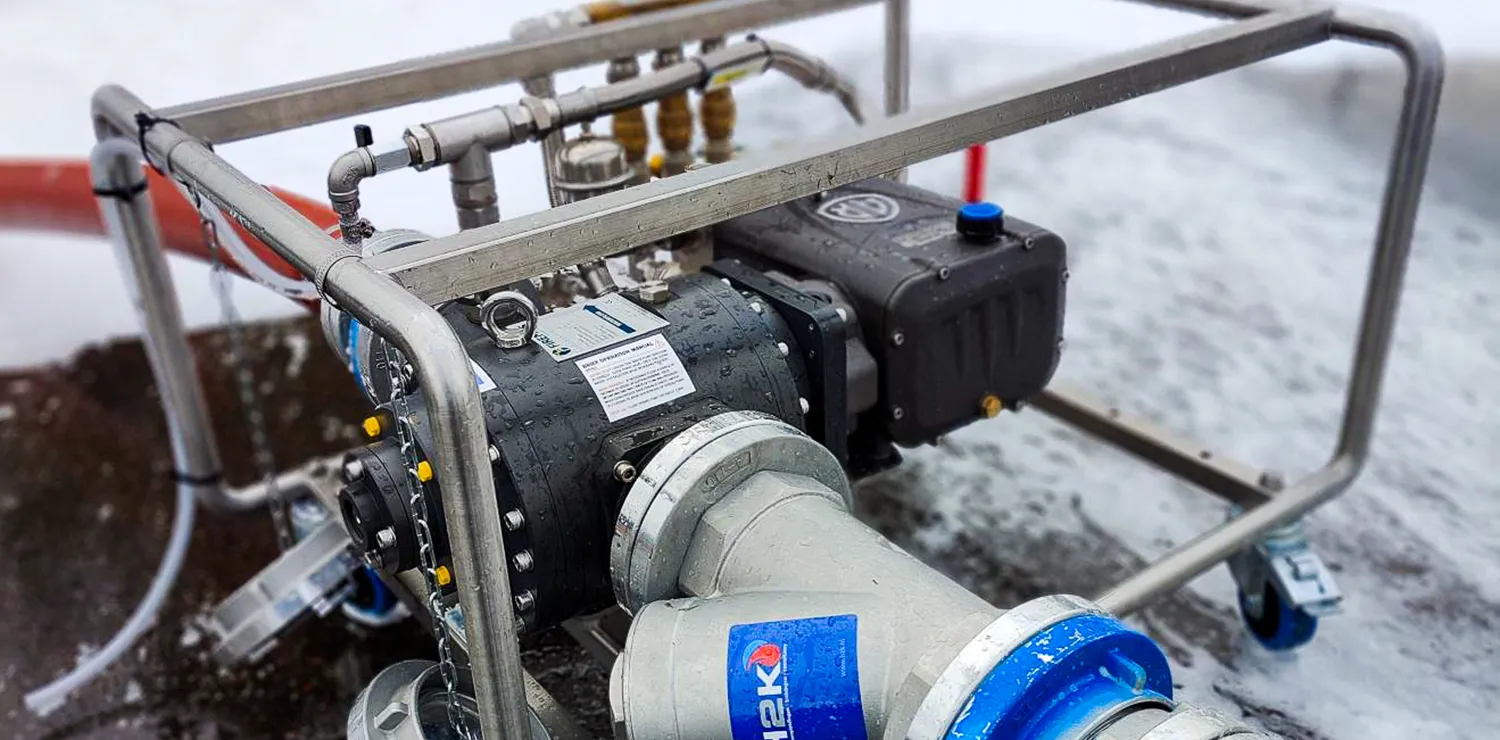
The FIREMIKS is a passive flow component, it will flow whatever goes through it while adding its own pressure drop, see each unit's data sheet. This pressure drop is added to the hydraulic calculation which calculates what the system flow will be. Even if the main water pump has a rated capacity equal or below the max flow capacity of the FIREMIKS, the water flow can exceed the specified maximum flow, i.e. overflow/overspeed, at the start of the system when the piping is (partly) empty. With empty piping, the steady state hydraulic calculation is not valid.
Overflow / overspeed causes accelerated wear and repeated overspeed can damage the unit and must be avoided. Several measures can be taken to eliminate or at least reduce this amount and duration of overspeed, here are some examples:
1. Reduce pressure before the unit:
- If there is a main water pump that starts after a jockey pump, delay the start till after the jockey has filled the piping or ramp up the speed slowly if there is frequency control
- Install a pressure limiting / flow limiting valve before or right after the Firemiks to avoid overflow and water hammer completely. These valves may use the pressure drop across the FIREMIKS to regulate flow.
2. Increase pressure after the unit
- In the design and control, minimize the amount of empty piping to be filled, this also reduces response time.
- Alarm valves can be opened slowly or partly until piping is filled. If there are several alarm valves, do not open them all at the same time if possible.
- Install after the FIREMIKS a dry pipe filling orifice with a bypass valve which opens once the piping is filled/pressurized to avoid overflow and water hammer.
3. Reduce total duration of overflow/overspeed
- Place the tank and Firemiks as close as possible to the hazard, this also reduces reaction time
- Do not use oversized piping between the FIREMIKS and the hazard, resulting quicker filling also reduces reaction time
- When doing function testing with manual oversight and not testing overflow/overspeed itself, take measures to avoid overspeed/overflow according to the above at least in these conditions, to reduce the duration the unit is subjected to overflow/overspeed.
4. Dimension the FIREMIKS to the expected overflow.
- It is also possible to dimension the FIREMIKS for the overflow. This gives faster pipe filling and shorter reaction times with correct dosing, which can be crucial especially with very long piping. Once piping is filled, the steady-state flow will be a lot lower, this also helps the longevity of the FIREMIKS, and makes it possible to avoid the use of flow regulating valves.